Minorities
Minorities

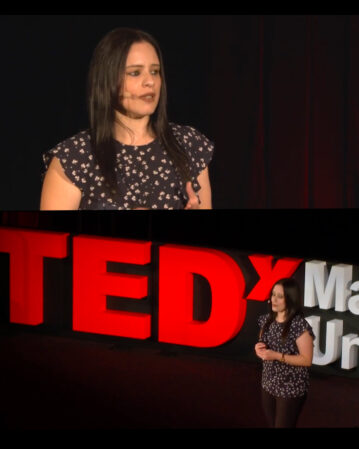
My TedX Talk: “Moving beyond the token minority” (at Macquarie University)

Popular culture —particularly film and TV—struggle to portray fictional worlds that reflect the diversity of the real one. In the push for more diverse storytelling, however, the task is not simply to tick boxes and represent minorities, but to normalise. More minority storytellers delivers a diversity of rich storytelling that goes beyond stereotypes and trauma tales.
Trauma Testaments and Creative Vertigo

It was a couple of years after September 11. But the Australian media had its Muslim spokespeople, and I had no desire to be a mouthpiece in this excruciating moment. So in my debut mainstream piece, I didn’t write about being Muslim in an increasingly Islamophobic world. I wrote of my struggles to transform the high of graduating with a challenging degree into a meaningful career, one where the pile of rejection letters grew so thick I went from paper clip to bulldog.

The Ongoing Threat of Minorities

Ordinary life for minorities is a constant stream of, ‘Yeah, but …’ We are question marks, worries to be flagged. I have tried for many years to focus on a way forward. I loathe the idea of Muslims, or anyone from a minority, feeling that their worth is tied solely to whether or not they are a threat, to how they can peacefully present themselves to a society that doesn’t go to any pains to disguise its hatred. But sometimes this feels like an impossible task.

12 September 2001: Amal Awad reflects on the aftermath of 9/11

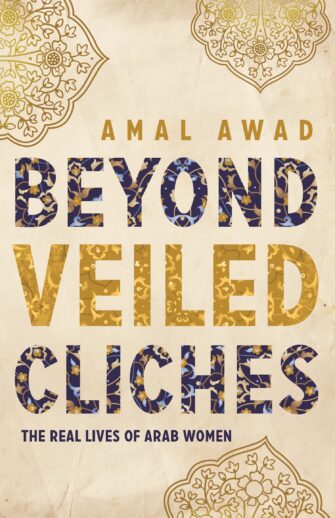
Growing up as part of an ethnic minority group in any society has its challenges. But it’s difficult to imagine the backlash those in Muslim communities have endured and continue to face in the wake of terror attacks carried out by Islamic groups. In her book,  Beyond Veiled Clichés, Muslim Australian author Amal Awad focuses on the lives of Arab women, revealing the similarities and differences of their daily experiences.