News & Blog
Desert Dreamings and Sheikh-Lit
Amal Awad, Meanjin magazine, Spring 2021
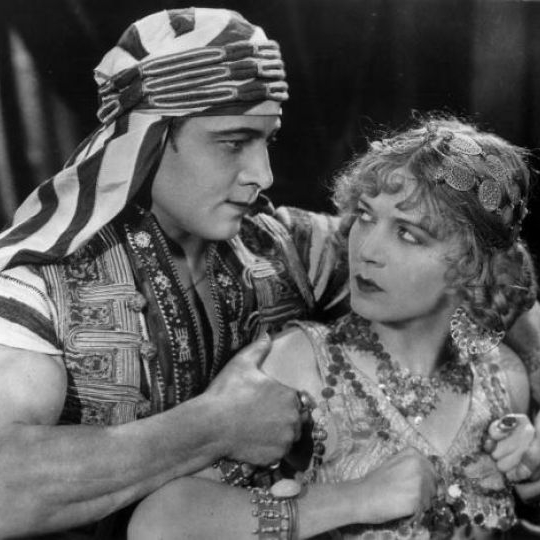
Powerful thighs. Golden eyes. Black robes. Swords. And fury.
In romance fiction, it is not enough to have a set of muscle-toned thighs. They must also be powerful. Eyes cannot be brown, they must glow with the fire of a thousand suns. This is the world of desert dreaming. Of thinly disguised oil-rich kingdoms. Of exotic romance with the bad boys of the Arab world—ridiculously good-looking men with more money than sense. But—thank God—they can be saved by women of the West.
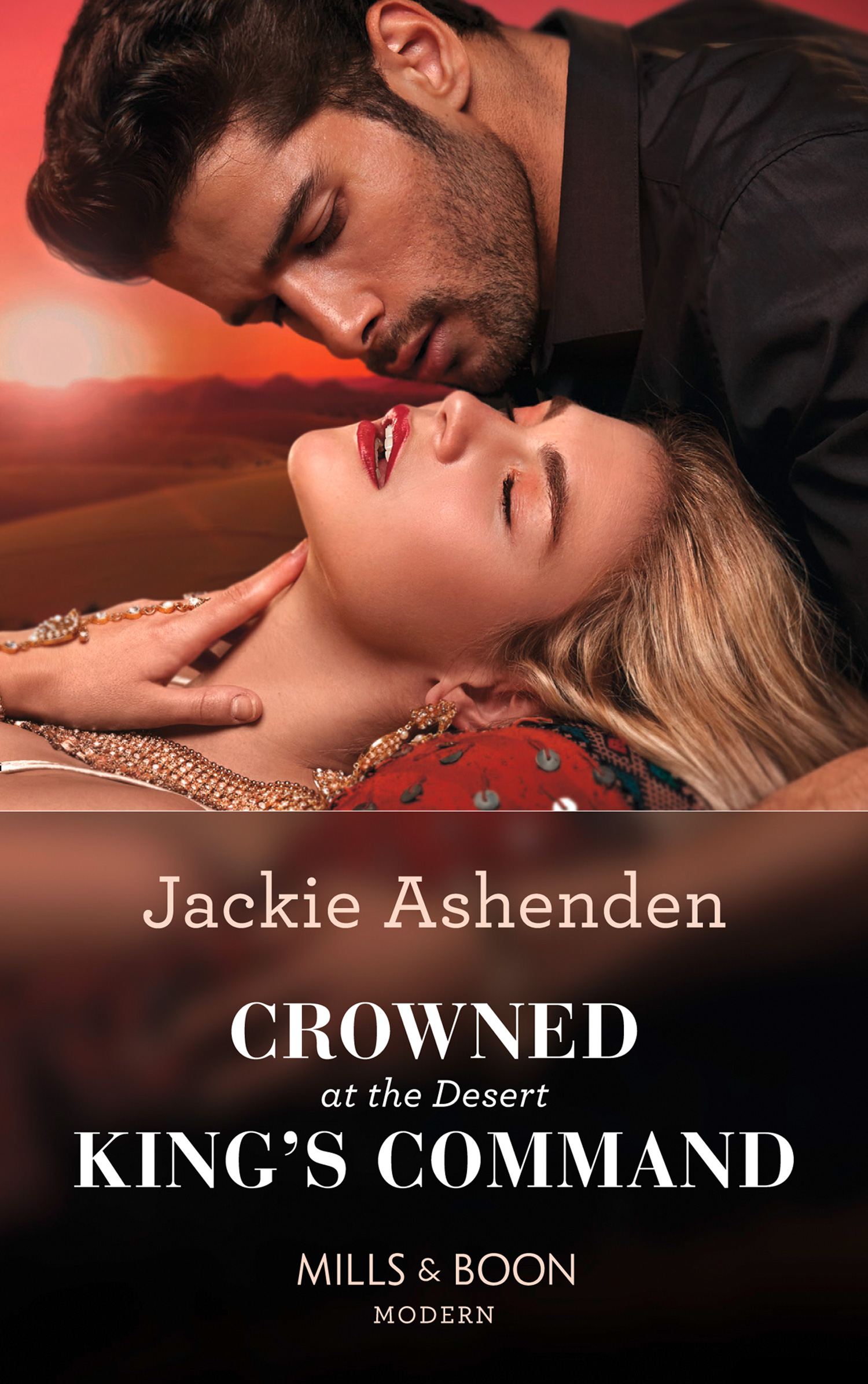
Take, for example, Crowned at the Desert King’s Command by Jackie Ashenden: this one stars an imperious archaeologist (Charlotte) who seems to take umbrage at Arabs not appreciating her looting their country.
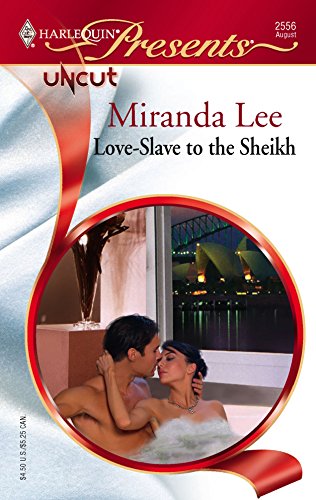
Or consider Love-Slave to the Sheikh by Miranda Lee: a sort of 50 shades of Arab clichés and faux feminism starring an imperious horse trainer (Samantha) who takes umbrage at a sheikh having superior knowledge about horses and how to train them.
In Crowned we travel to Ashkenaz, which is kind of like Agrabah, or even Wakanda, because it’s sitting on massive oil wealth and cut off from the rest of the world, and like all the other books sitting in this strange subsection of sexy romance lit, has a made-up name arranged with the assistance of a Boggle set. Love-Slave, meanwhile, gives us a hero from Dubar.
There are more. So many more, all featuring women who dislike these swarthy, wealthy Arab men who lack manners and don’t see women as equals. They are proper Feminists, who have no emotional compass, speak and think like teenagers and excel at their jobs. But as they are inexperienced, they are also bad at sex.
Cue the sheikhs from desert kingdoms—royals and lost playboys who, thankfully, despite looking down at women know how to pleasure them. These are the meaty male protagonists you can expect to encounter in the vivid world of Arab romance fiction.
Broken men with secrets and burdens, who cannot find love with an Arab woman (God forbid). Men who are ridiculously good at having sex and making liberal Western women whimper with desire in the process—if only they knew how to be loved. In the world of steamy, bodice-ripping, sheikh-breaking fiction, nothing is really simple beyond Samantha’s or Charlotte’s approach to clothing (she will be plain and not know how beautiful she is).
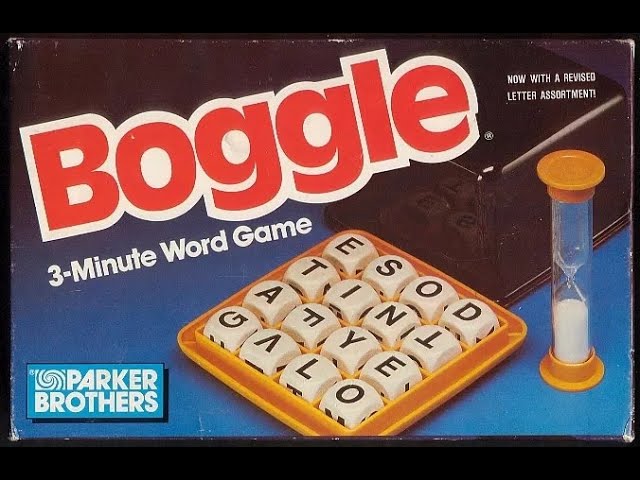
The down-to-earth Samanthas and Charlottes are undone by men with princely names as long as my arm (Prince Tariq Kadar al Halal, sheikh of Khayarzah; Sheikh Bandar bin Saeed al Serkel). I’m almost certain these names are generated in the same way your porn star name is, but instead of your first street and pet, it’s the first terrorist you saw in a Hollywood film plus the Arabic word ibn (meaning ‘son of’) followed by something that sounds Arabic (once again, by shaking a Boggle cube and seeing what lands in 60 seconds, and adding a few letter Zs).
Finally, there will be a scattering of Arabic phrases to show that this has been researched—some inshallahs (God willing) and the like, and invented customs. Ones that play into the enduring imagery of the Arabian Nights. In Crowned, for example, following a forced marriage—or ‘ultimatum’ of marry me or your dad stays in prison for trespassing—there’s no wedding party, just an immediate retreat to a desert oasis to procreate.
Culture porn

What led me to purchase (in the name of research, I emphasise) 3-in-1 ‘great value’ Mills & Boon collections such as Red-Hot Desert Docs (more sheikhs but also medics) is my desire to unpack the architecture of steamy romances. More specifically, I wanted to dissect how Western writers romanticise Arab men, particularly those who are affluent, and would make great Westerners if only they would drop the religious baggage and stop speaking in their language. These are men who are perfect for Westerners who like a bit of spice in their meal, but not all the time. It explains so well why our protagonists are always wealthy Arab men who must enter into sexual relationships with empowered Western women for one reason or another. Their very salvation and Westernisation depends on it.
Erotic romance lit is packed with subgenres, to be fair. There is an abundance of cultural ones (playboys come in many ethnic stripes); medical romance; and ranchers (mainly from Colorado—it’s a thing). There are more, but this is essentially what we’re dealing with: inflated, excited focus on difference that allows two characters who are worlds apart in mind and spirit to stumble into each other’s lives and explosively come together. They will have sex and it will be unearthly. No-one will ever have sex as powerful, life-changing and affirming as the heroes and heroines of romance lit. Nothing will ever cut through emotional resistance with such laser-like precision as the intense, unhealthy love of that person who is totally wrong for you, but who knows where to find the G-spot you weren’t quite certain you had.
A heaving marketplace
The formula in pulp romance fiction is clear: a quietly brilliant woman who has a worthy mission but is largely doing it alone meets a man who turns her on and therefore must be resisted. He tends to symbolise the conflict she tries to avoid and is her key to sexual liberation.
This is not to take an easy dig at pulp romance fiction (a pleasure so many of us are ‘guilty’ of at some point). This is a world populated by more than heaving bosoms and intense sighs of longing. Here, the gender melancholy is real. Romance fiction is a target-market proposition. You could argue that authors are simply giving readers what they want. They are leaning into demand (though you could also argue that they are creating it. What came first? The chicken or—you get the idea).
This is a heightened world where eyes flash or glitter, people steel themselves and say things tartly or huskily, sometimes thickly. There is an abundance of flat or hoarse speech, of people muttering things darkly. However, to help us through the complexity, there is little, if any, subtext. We generally know what everyone is thinking and why, and how they will overcome their weaknesses.
Narrations oscillate between cheeky and outraged, like you’re with a friend gossiping over high tea. And we should not make light of the character arc. It is surface-level characterisation, sure—every emotion large and overblown—but there is a hero’s journey to be found for each of our lovers, a redemption story and way to love, and plenty of orgasms.
Clearly there is a market for steamy romance the world over because bodice rippers are a billion-dollar industry. This world of demented love, of mind-blowing sex and dominating men still finds favour in readers even after a harrowing few years of #metoo.
Clearly there is a market for steamy romance the world over because bodice rippers are a billion-dollar industry. This world of demented love, of mind-blowing sex and dominating men still finds favour in readers even after a harrowing few years of #metoo. The men are forceful. They know what they want, but more noticeably they always seem to know what the women want. It’s surprising to see the prevalence of this force at such a transformative time for women.
It’s both familiar and shocking; despite what many would deem progress in our acknowledgement of sexual harassment and abuse, of the dangerous and mentally draining imbalances between men and women at work and elsewhere in our lives, after a few years of a US president who was recorded saying ‘You can grab them by the pussy’ women are still buying books that suggest meekness trumps personal power, and it takes a man with powerful thighs for you truly to know yourself (and find that G-spot).
Sometimes, though, these books are borderline rapey and violent. In Crowned, at one point the heroine provokes the hero so deeply that he ponders striking her. On a less dangerous but nonetheless offensive note, we’re treated to descriptions of his ‘savage’ feelings towards her.
The idea that women are still romanticising male domination is much more offensive than a confected oil sheikh with a brain tumour and mad skills in the bedroom. That it’s considered sexy a man will force himself into a woman’s space and insist that despite her words of rejection, her flashing eyes say something else. It’s even more startling when we remember that it is women writing this nonsense, and it is women reading it.
Something I once might have laughed at seems less innocuous now. I worry that women are constantly seeing themselves in the light of men, but also how other cultures, wrapped up in identities, even American heroes, the ranchers, the cowboys, are determining how we see our sexuality.
The sexual Arab woman
A few years ago I immersed myself in stories of Arab women in Australia and in the Arab world for a book on Arab women that examined sexuality and its many parts—namely, gender power dynamics, shame, sexual policing, being queer, the necessity of being a virgin until marriage (still, for some, tested by blood on the sheets). All of the stories are told by Arab women who grapple with the Madonna/whore complex we grew up with in a culture that seeks to protect you through what can be a forbidding and complex ‘community aunt’.
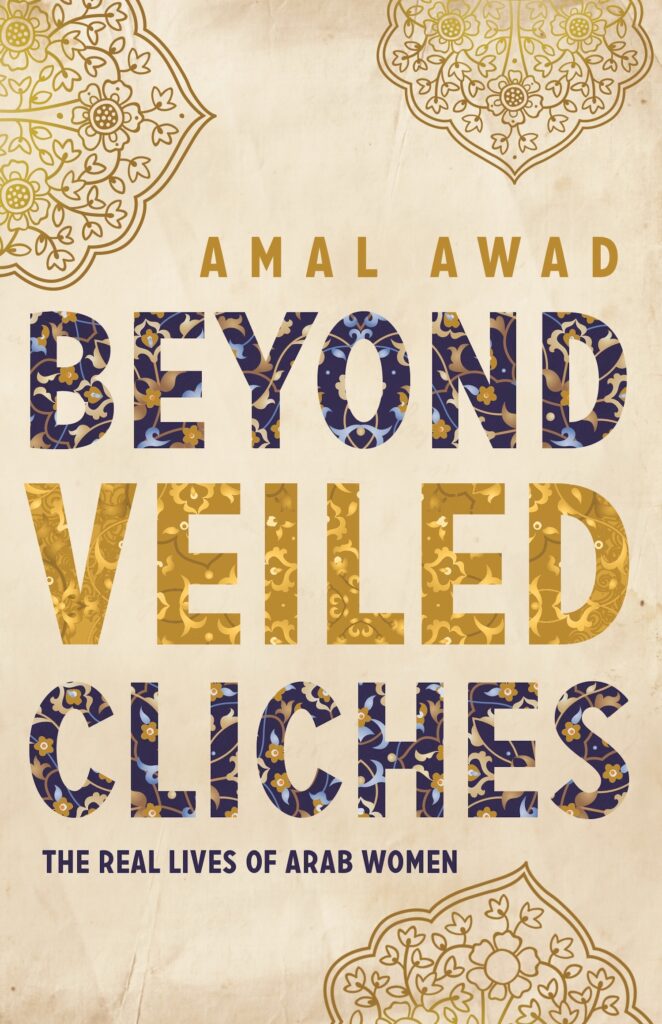
Perhaps for years I, like the many heroines in these books, have been afraid of men. But I have constantly sought to unpack this inner conflict by talking about it with other women. For my book, Beyond Veiled Clichés, I sat with Arab women who spoke about men—and relationships—in varying tones. Some talked about sexual liberation. There were conversations about the frustration of having to remain pure and virginal until you hit the marriage jackpot. There were many threads to these complex stories and experiences.
In all of this, there was an acknowledgement, sometimes quiet, sometimes roaring, that we had a cultural problem, but when we looked at it in a wider context, it was a global one. Women, no matter how enthusiastic they were about their personal freedom, no matter how feminist or how free, too frequently sized themselves up against men, who were always central to their story.
It’s dispiriting to see how this plays out in popular culture, and particularly in the world of sexy romance. At a more personal level, it’s troubling to see that in these books, Western women are the key to taming Arab men. One woman’s difficulty is another woman’s fantasy.
Indeed, it’s interesting that Western women so freely examine the Arab male, and exoticise him in the way Arab women are so often viewed—someone who needs to be saved or redeemed against a culture of oppression. From where I sit, most humans struggle with freedom, both in a practical, worldly sense and a mental one.
The best kind of Arab-Muslim man
In this Arab subgenre, there’s a lot of trotting out sheikhs to Western spectators who are troubled by Arabs. A lot of explaining away their goodness by reducing their religiosity and Arabness. In Crowned, the sheikh is absolved by having vineyards. In Love-Slave, the hero believes in Allah but is not Muslim (tick!). Samantha bumps up against the hero, Bandar, who is depicted as being as haughty and shitty as she is, particularly when discussing Arab men and women. Samantha even tartly makes a comment about harems.
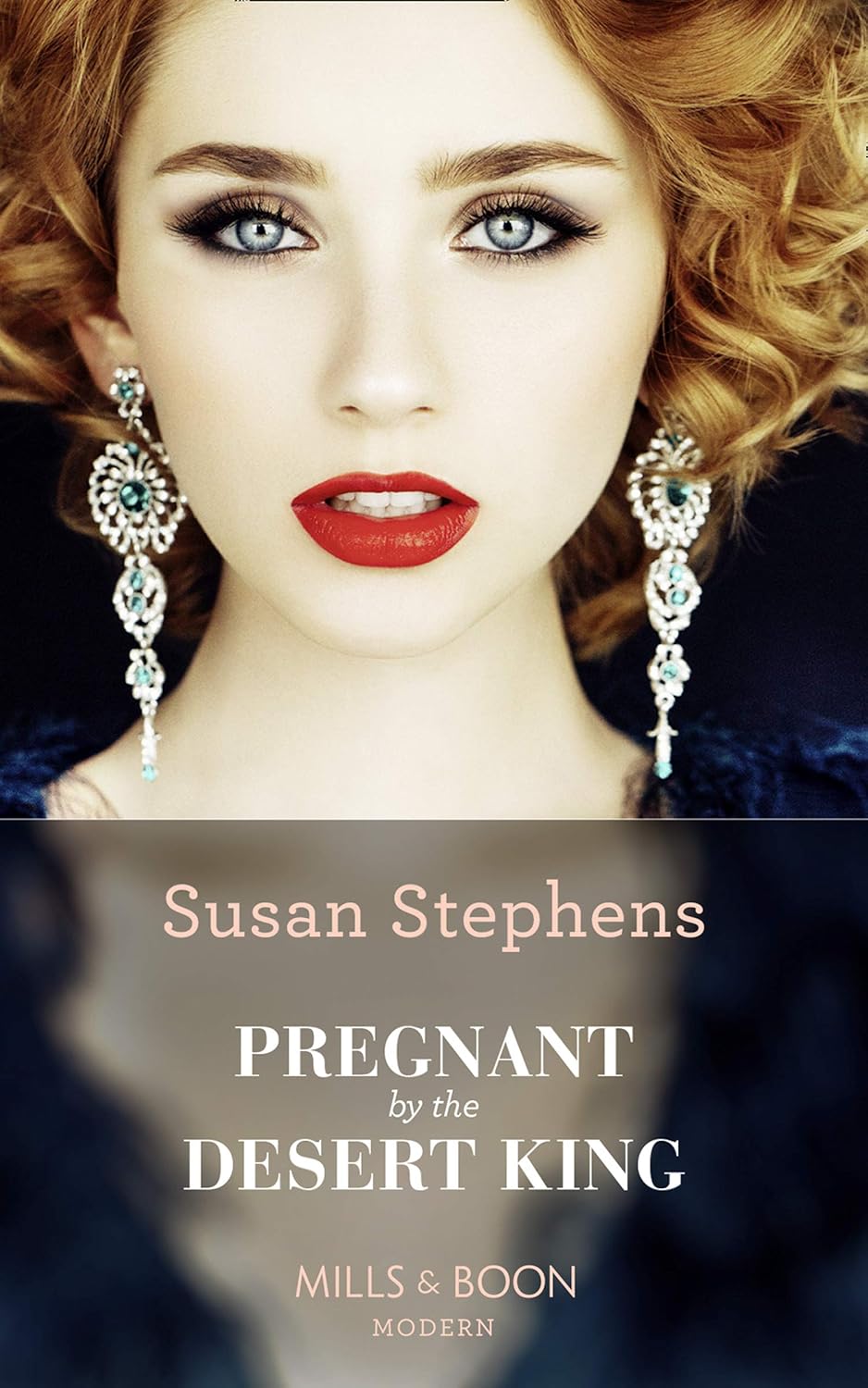
In Crowned, the brooding hero is, at first blush, a frightening proposition: touching the sheikh without permission means death(!). But as we get to know him, we see he alternates between being an arrogant beast who forces a woman into marriage (because forced sexual relationships are sexy?) and a social and moral king who funnels his country’s wealth not just into his palace but also his country’s hospitals and schools (he’s good).
The problem with this conversation about not being a practising Muslim is that it leads to a reversal of prejudice; the heroine, fluctuating between hatred and desire, sees a barbaric man but is, by the end, in love with him. She realises she was judgmental, but he is not really Arab any more. He’s a better man (weak, even) thanks to her forgiving, feminist love and acceptance of all the terrible things he’s done to her in the name of hot sex.
Here we see the hero reject his religion, and therefore, any turnaround in the heroine’s belief system is not towards other Muslims and Arabs, it’s towards the exception; he’s taken the good and left the rest behind. He’s practically a Westerner.
There is a startling use of Arab men as props for a Western woman’s liberation, so long as he is as wealthy and powerful as she is naive. The onus falls to the hero to become a sympathetic character, an idea strengthened by the slow but sure realisation that he is a victim of his culture and, if he had his own way, he would be Western, too.
In Love-Slave, no-one talks down to Bandar, and there is liberal degradation of other women as whores etcetera. And yet he is the hero with a (secret) brain tumour and a heart, somewhere deep down, retrievable only by a Western woman.
Indeed, white women are revered, even when they are not classically gorgeous (Love-Slave), and are haughty and racist (all of them).
Nevertheless, in Crowned, following a forced marriage (sorry, ultimatum), Charlotte is met with cheers; she is the fantasy Westerner of white beauty and elegance, an aspirational, empowered woman who is both strong and weak.
A sexual pick-and-mix
This slow burn of colonialist bullshit permeates #sheikhlit. It might seem a bit ridiculous to spend time dissecting these clichés and inflated narratives, and yet they matter. They are a compass, telling us where we are and how far off course we have veered. We cannot separate the cultural identity in these books and say they don’t matter because the heroine is constantly making note of it. She makes it matter.
I found myself considering the litany of #victimlit we saw come through since the 1980s. White women married to men from the East, whose children were kidnapped and the like. The pulp heroine is the solution to these troubled men’s experiences with women, and their battle with themselves.
The liberated but imperfect and needy Western woman is freeing her lover of the shackles of a culture that forces him into being a misogynist. Those stories of women who have been kidnapped or victimised, or whose children have been stolen from them are a sign of cultural discontent. The Western woman’s small yet punchy reformation of the Arab man is a reformation of the Arab culture. East meets West in the bedroom. But also, Arab men are hot.
To be fair, all erotica traffics in similar narratives and questionable dynamics, a not-so-romantic to-and-fro. But the cultural damage is not equal; the self-hating, nervy, lusty lothario of the Arab world versus the down-to-earth rancher who is sweeter than a homemade apple pie?
Meanwhile, rancher stories have strong family threads; single parents, and siblings in need. The Arab ones feature broken bonds, obligations and suffocating customs. Also, ranchers tend not to force women into marriage, no matter how rich or poor they are (and usually they are sweet, horse-loving guys with names like Colt and Josh).
It’s worth noting that most of these books are written by white women, which goes some way to explaining why the women are always white and aspirational, even if they are faux feminists, and why the men are a cultural buffet of diversity.
Sexual confusion
It’s easy to make fun of this sort of fiction, but I really want to make sense of it. Why is this such a big marketplace? Why do women buy into it so willingly, particularly given how difficult it is to be a woman in these universes. The men aren’t that nice. The women are always unhappy.
Perhaps it is just the sex. The woman’s pleasure, even when the man is horrible to her, or arrogant, or broken finds a way to show the woman what her body is capable of and what she needs; he shows how important her pleasure is, and in a wild bout of pride, will centre it. It is genius.
Now drill down to the subgenre, the cultural pilfering if you will. Not only are the women being centred sexually, they are being taught by swarthy males who ultimately turn to mush, transformed by this liberated (even when she’s submissive) woman’s love. It’s not the woman being saved—it’s the man. From his culture. From his meanness that results from the demands of being a filthy rich Arab prince.
It’s pulp romance fiction but adults are reading it. Shouldn’t we be further along? Why are women caricaturing the experiences of being a woman? Alas, perhaps women just like the fantasies of sex, and a way to explore what they pretend they don’t like.
